Halfway houses serve as a transitional housing facility for persons recovering from alcohol or drug abuse. Most persons in a halfway home have completed a drug treatment program during incarceration or are mandated to live there by court order. Generally, halfway houses put policies in place to keep their occupants sober. For instance, halfway houses carry out drug tests to ensure residents remain drug-free. Halfway houses also provide recovery, medical, and mental health services to its residents. California sober living homes are residences that provide drug-free and alcohol-free housing for a community of people in recovery.
California Lawmakers are Somewhat Active in Trying to Pass Legislation to Introduce Sober Living Home Regulations

FREE parenting program for parents/caregivers of children ages 0-12 & teens. Access tools to communicate better, navigate emotional issues & equip your kids to handle life’s… OC Links provides 24/7 information & linkage to any of the OC Health Care Agency’s Behavioral Health Services programs ranging from prevention to crisis response via phone/chat. Under immense pressure to do something about the crisis, politicians are pointing to housing first as a scapegoat, said Ann Oliva, CEO of the National Alliance to End Homelessness. But that’s like blaming the emergency room for the number of COVID patients coming in during the pandemic, she said. “They don’t need these ordinances, which are obviously discriminatory,” Daley added.
- This organization also responds to complaints against the above programs and individual treatment professionals, and ensures compliance with criminal justice treatment programs and counselor certification.
- Daily routines within a sober living home include morning chores, house meetings, substance abuse counseling, community service, 12-step meetings, group therapy, and group activities.
- It is a temporary living condition designed to be a stop-gap, taking a person from homelessness to permanent accommodation.
- On the positive side, the state has a high number of folks in recovery and a very low level of regulation for sober living homes (more on that later), making it an ideal home for your sober living organization.
Partial Hospitalization Programs and Outpatient Treatment Centers
- How can you find out if a sober living home you are looking into has done its due diligence?
- The bill would also prohibit any former owner of an addiction treatment center who lost their licenses from opening homes to live sober.
- Some Republicans and conservative-leaning groups now are pushing to overturn California’s housing first framework, saying it hasn’t successfully reduced homelessness.
- One key motivation for Haney to draft his sober housing bill is the surge of deaths caused by the opioid fentanyl.
- All treatment centers are still subject to county or city regulations and requirements for establishing a business.
- Although the resident still reports to sober living home staff in this phase, the individual gains complete independence.
The support model at these homes is informal, and residents do not typically get professional services from the sober living home directly. Unlike formal rehab programs that must get a license from the Department of Health Care Services (DHCS), California law on substance abuse is less restrictive on sober living homes. Nevertheless, many sober living homes in California choose to adopt national standards and join associations that monitor the safety, health, and compliance of the recovery model used by the sober living home.
Healthy Living Just Clicks
The sober living laws differ a bit from city to city, but they share the same essential ingredients. There is much to be discussed regarding how the purpose of this residency program may be carried out; there are many things that need to be considered, including funding. Having none of the above facilities does not equal an organization with the right to obtain a license that allows them to serve residents. View licensed or certified substance use disorder programs, or register your own, through the Department of Health Care Services. Claim your free trial today and see why more sober living homes prefer the Sober Living App. Every shred of information about your sober living home, its residents and its staff live in the cloud so you get access to everything you need from any device, anywhere.
California considers individuals who are in treatment for drug or alcohol abuse to be disabled under the Fair Housing Act. For this reason, treatment centers cannot be completely restricted from an area. However, one treatment https://mytopgear.ru/topgear/richard-hammonds-top-gear-uncovered-dvd/ center cannot be within 300 feet of another treatment center. Understanding these laws and regulations can be a great help in learning how to find a responsible, certified, and experienced addiction treatment program.
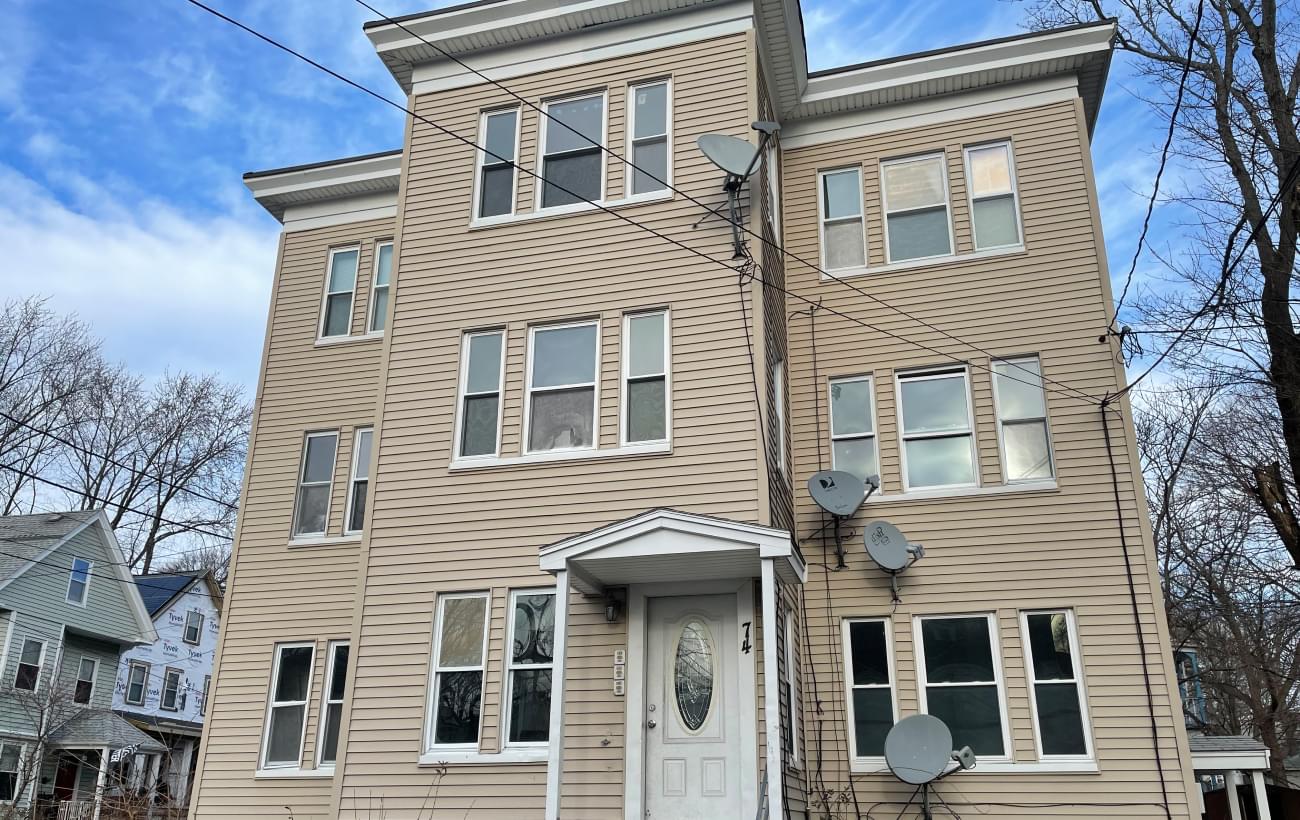
How Do I Know if My Home Has the Proper License?
- It’s during these work hours when many residents will complete counseling sessions, go to doctor’s appointments, and perform community service.
- It is important to note that while sober living environments do not require a DHCS license in California they may be subject to other types of permits or local fees required by cities or counties.
- The city of Encinitas watched, and waited, for five years as the city of Costa Mesa waged a fierce and costly legal battle to regulate sober homes.
- Typically there is no paid staff in recovery houses, and all residents within that community support, encourage and motivate each other towards sustaining recovery.
This is for the sake of making sure there is room in the sober home and that you will have access to all they have to offer RIGHT AFTER YOUR TREATMENT. According the California State Library, the house rules set up in a sober living house must be respectful to the residents, http://g-ost.ru/46551.html the neighbors, and the community. In order to truly know the rules of your house, you’ll want to ask either the landlord or check out the website of the house itself. These apartments, houses, and rooms offer peer support for recovery outside the context of treatment.
Though these rules seem strict, the purpose of them is to get your body and brain in a new rhythm. By doing a lot of activities, you’ll better be able to keep your mind off cravings. You’ll begin to understand what life can be like https://esenin.ru/bibliografiia/1980-g/zarubezhnye-izdaniia without drugs…and be encouraged to continue your new life. “The state’s actions here are a great victory for people in recovery, who can feel safer knowing their rights will not be trampled on by local government,” Daley said.